


World premiere of the ID.3 Neo
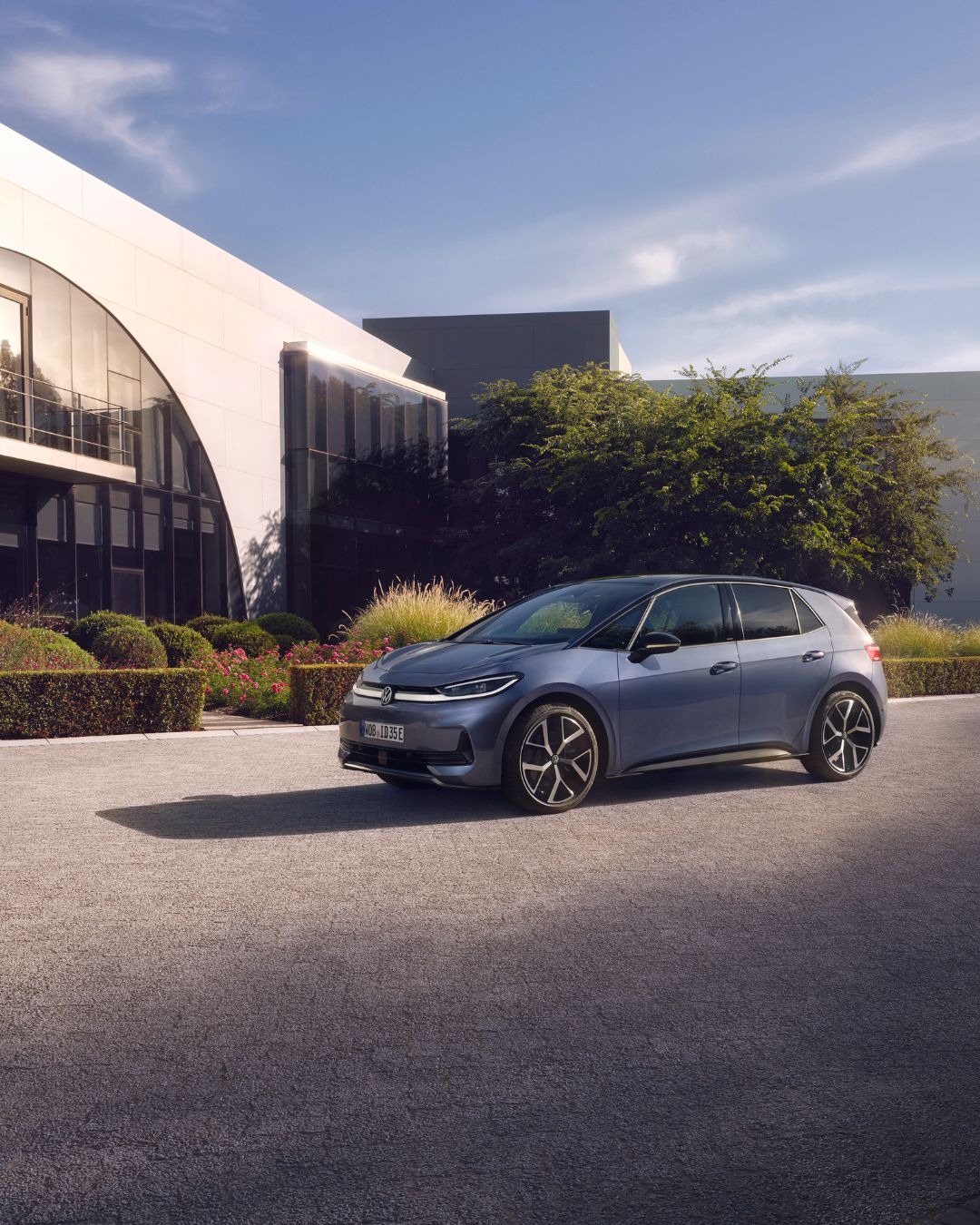
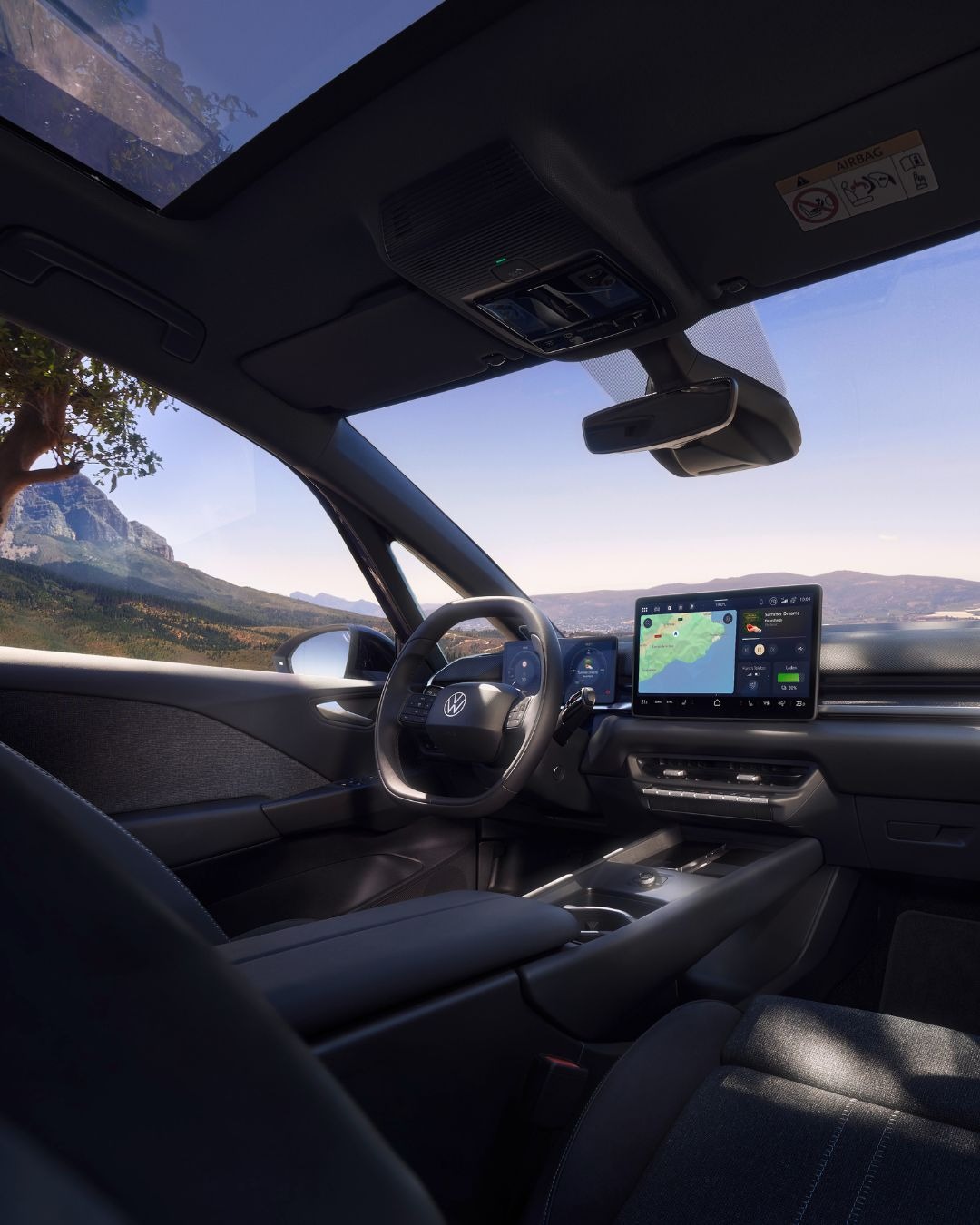
Everything is new in the ID.3 Neo! The successor to the ID.3 is celebrating its world premiere with a new name and has been extensively enhanced and upgraded. The exterior features include a new vehicle front design based on Volkswagen’s ‘Pure Positive’ design language and a new light design. The interior impresses with a redesigned cockpit landscape with intuitive controls, embedded in interior materials at the level of the next-higher class. The new efficient drive system of the ID.3 Neo – combined with the largest of the three available batteries – additionally enables ranges of up to 630 km (WLTP2).
Martin Sander, Member of the Board of Management responsible for Sales, Marketing and Aftersales: “We have developed the new vehicle generation based on the motto ‘True Volkswagen’ and have consistently placed the benefits for our customers at the centre of our actions. In addition to the long range, models such as the ID.3 Neo impress with a superior, timeless design that provides long-lasting pleasure, high quality for a noticeably first-class driving experience and technical perfection that can always be relied on. This is complemented by particularly intuitive operation, which makes everyday driving easier and more convenient.”
In addition to many standard assist systems (such as Lane Assist, Front Assist and the turning brake function), the electric compact model has been given a bandwidth of new functions thanks to the latest software generation. These include, for example, the enhanced Connected Travel Assist with traffic light recognition (optional) as well as one-pedal driving, where the vehicle recuperates until it comes to a standstill. In addition, as with all new ID. models, it is now possible to supply power to external devices – from electric barbeques to e-bikes – with an output of up to 3.6 kW directly from the high-voltage battery using the vehicle-to-load function.
New design clarity. The exterior of the ID.3 Neo reflects the True Volkswagen philosophy in the form of newly designed vehicle front end with a continuous light strip and illuminated logo. The design reflects the Volkswagen ‘Pure Positive’ design language defined by Andreas Mindt, Chief Designer of the brand and Group. As with classic Volkswagen compact models, the roof, rear spoiler and boot lid are painted in the vehicle colour, which makes the ID.3 Neo appear longer, flatter and more dynamic.
High-quality, clear, intuitive operation – 100-per-cent Volkswagen. As soon as the doors of the ID.3 Neo are opened, it is obvious the new model is characterised by a completely new level of quality and clarity. This can be seen in the high-quality materials that have a pleasant feel, the clear horizontal layout of lines and surfaces, new ergonomic and self-explanatory controls, easy-to-grip buttons and intuitive controllers for central functions. The multi-function steering wheel has also been completely redesigned with a rim that is flattened at the top and bottom and clearly structured button panels. The new infotainment system (Innovision) with 26.0-cm (10.25-inch) Digital Cockpit and a 32.8-cm (12.9-inch) central display impresses with its fluid graphics and easy operation.
New high-efficiency drive. The drive system of the ID.3 Neo is a new development. It offers higher torque and lower consumption than the previous motors. As a result, ranges of up to 630 km (WLTP2) are possible in the ID.3 Neo. At the launch, the new model will be available in three equipment lines (Trend, Life and Style) and with three power outputs, as well as three different battery sizes. The three electric drive motors develop an output of 125 kW (170 PS) 3, 140 kW (190 PS)4 and 170 kW (231 PS)5. The 125-kW version is paired with a battery with an energy content of 50 kWh (net). It is the standard configuration of the ID.3 Neo Trend. The ID.3 Neo Life and ID.3 Neo Style will also be optionally configurable with a 58-kWh battery (net) and 140 kW as well as a 79- kWh battery (net) with 170 kW. The batteries with an energy content of 50 and 58 kWh have a charging capacity of up to 105 kW6 at a constant high level at DC quick-charging stations, while the 79 kWh version has a charging capacity of up to 183 kW6.
Additional services. The new ID. models have the new Innovision infotainment system on board. A new app store has also been integrated into the In-Car Shop of the new infotainment system, which allows functions and services to be activated or extended digitally, flexibly and on a vehicle-specific basis. As with a smartphone, popular apps from areas such as audio, video streaming, parking, charging and gaming are available for download here.
Many equipment options. The optional equipment includes an augmented-reality head-up display, a large panoramic sunroof, 360-degree Area View, a massage and memory function for the front seats, a premium sound system from Harman Kardon, the memory function for Park Assist Pro and a removable bracket for mounting a bicycle carrier for tow bars (up to 75 kg tow bar load).
UK specification and prices for the ID.3 Neo will be confirmed soon, keep an eye on our socials for more updates.
1) ID.3 Neo – Combined power consumption 13.9 – 15.7 kWh/100 km; CO2 - combined CO2 emissions 0 g/km; CO2 class: A.
2) Range determined on the rolling road test bed in accordance with the Worldwide Harmonized Light Vehicles Test Procedure (WLTP) in the most range-favourable equipment variant. The actual WLTP range values may differ depending on the equipment. The actual range achieved under real conditions varies depending on the driving style,
speed, use of comfort features or auxiliary equipment, outside temperature, number of passengers/load and topography
3) ID.3 Neo (125 kW) – Combined power consumption 13.9 – 14.9 kWh/100 km; combined CO2 emissions 0 g/km; CO2 class: A
4) ID.3 Neo (140 kW) – Combined power consumption 13.9 – 14.9 kWh/100 km; combined CO2 emissions 0 g/km; CO2 class: A
5) ID.3 Neo (170 kW) – Combined power consumption 14.4 – 15.7 kWh/100 km; combined CO2 emissions 0 g/km; CO2 class: A
6) Maximum possible charging capacity. The charging behaviour of different charging stations can differ, even if their kW capacity is the same. In addition to a charging station’s kW output, the maximum charge current also influences the amount of energy that flows. Furthermore, the ambient temperature, battery temperature and charge level
influence the maximum possible charging capacity. The specified maximum charging capacity is calculated under WLTP conditions at a temperature of approx. 23°C and a charge level from five per cent. If these variables change, the charging capacity may deviate from the specified standard value.